The Digital Storm, Part 1: The Psychology of the Snare
The oversaturation of media and new tech makes it harder to distinguish between legitimate endeavors and scams. This series will help you navigate the digital storm with ease. We’ll start with the basics and get more technical as the series progresses.
Understanding the Motive
Every one of us is susceptible to falling into a trap. Traps are designed to snare us with ease, and they are getting more and more sophisticated. Anybody who states they have never made a mistake or been caught with a blind spot is lying to you — or worse, they are scamming you... or are being scammed themselves right now. Nobody is perfect, and the easiest targets are those folks too smug to believe they could become victims of a con. In fact, con artists prefer people with inflated egos who are convinced they are smarter than everyone else.
Rip that band-aid off right now and thank me later. Staying ahead of scams is a perishable skill; most importantly, it requires a person to be humble enough to be trained and to improve on their shortcomings. Emotional bravado and doubling down when cornered is actually a sign of weakness and low self-esteem, despite the smugness and vociferous attitude. Once you can accept a mistake without crying in a corner — while your exterior masquerades as a "feat of fury" — you’ll be happier. Why am I telling you all this? Because new tech-traps and misinformation thrive on people's insecurity.
So, what is the motive? First, it’s your attention, and from there, it's whatever they can extract from your bank account into theirs. For opportunistic gurus, leaders, coaches, healers, spiritual guides, and investor-hunters — you name the industry — their loyal followers become their cash cows.
For example, it is hilarious to see otherwise successful people who own businesses or have achieved significant goals pay thousands of dollars to be yelled at in a pseudo-bootcamp by someone who is clearly just out for their money. These "gurus" offer recycled cliché talking points and artificially inflate a "test of endurance" under the guise of making them a "better man." And yes, there is a non-zero chance insecure folks will stumble upon these "betterment opportunities."
Who do they target? Vulnerable folks who have yet to answer the question: Who are you? The answer is: you are you. No matter how good or bad things are today, your life is a journey that ebbs and flows. But it takes maturity to acknowledge past mistakes and fortitude of character to negate the opportunity to wittingly commit the same fault. As I said, traps are designed to snare you with ease; therefore, don’t beat yourself up too much if you fall into the same hole more than once — just be more careful next time. Con artists win when your self-esteem gets the best of you and you prefer to double down on a mistake rather than fix it.
The Paradox of Connectivity
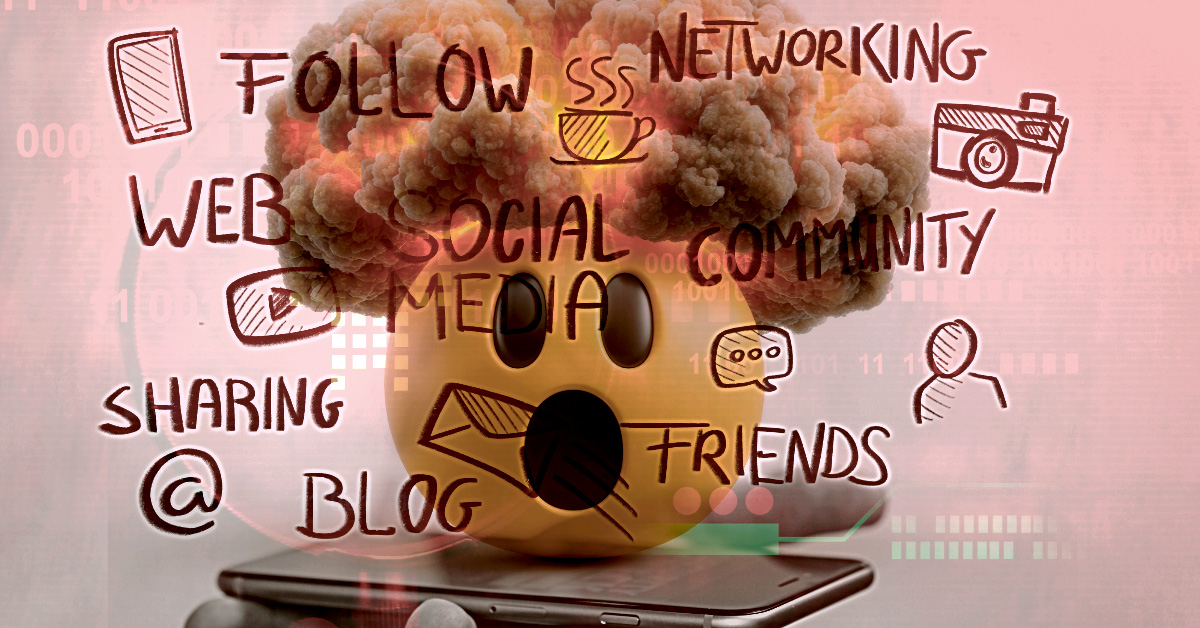
The world is more connected than ever before, yet people are lonelier today than they were decades ago. Most people have no friends, or if they do, they aren’t even able to see each other on a regular basis unless they schedule a "play date" of sorts. Ironically, we have thousands of free communication tools available to us — apps, social media profiles, text messages, video conferencing — and somehow, we seldom truly communicate with one another. People use their phones for virtually everything except making phone calls.
Let me tell you about a simpler time growing up in the 80s, 90s, and early 2000s, before smartphones were a thing and the internet was closer to science fiction than science fact. We were more sociable then. We had plenty of friends, we made in-person visits, and we spent time with living, breathing human beings. We memorized our friends' phone numbers, and if we could not go physically to visit them, we’d make "phone visits" and chat for hours. I dare you to call any friend out of the blue right now and see if they answer. They might text you back a "SUP?" — and even that might take a while.
That is wonderful for the algorithms, because they will provide you with a digital analog to the company you are lacking. Some of you born after the mid-90s will have a harder time understanding this because social interactions were so different back then. As a child, you learned conflict resolution, or you would get punched in the face. If you were pompously unkind, you would get ignored — or punched in the face (I repeat this because there were actual consequences for those excibiting faux-bravado). Today, people become "keyboard warriors," bullying those they disagree with on social media while hiding behind an anonymous avatar with a burner account. Sometimes they go looking for a fight, yet they are too scared to show their real face.
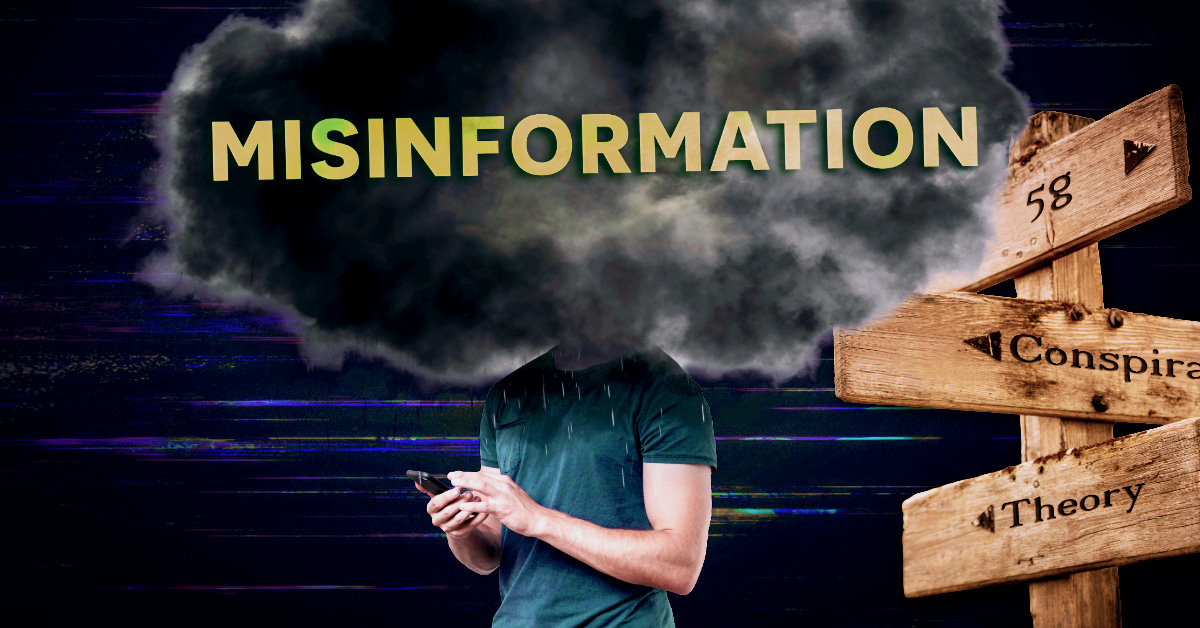
Sadly, some of those who were unkind back then have learned to use the shielding of social media to prey on those they deem weaker to feel better about themselves. This has opened the door to an entire industry of products and services catering to a growing population of socially inept individuals. This makes them easy targets to be swept up with other groups who are just as misinformed and compromised — despite having the entire world’s knowledge at their fingertips 24/7.
Are You the Person You’re Meant to Be?
We can all become part of this reality when we cannot correctly answer the question: "Who are you?" Are you "you," or are you a version of what you think others think you should be? Once you answer that question correctly, you might get disappointed by your surroundings. Don’t worry; that is normal and expected. Sadly, that might result in severing some toxic relationships along the way.
But the first step in fixing something is identifying the issue. Sometimes we are the issue; other times, we are dealing with someone else's baggage. Let me tell you, it is liberating once you learn to truly accept yourself for who you are, and not for what you think others expect you to be.
In the end, we go to bed and wake up with ourselves, no matter who is next to us. This is the first step in combating misinformation. If people cannot master this part, they will remain vulnerable when we eventually talk about malware, backdoors, privilege escalation, computer programs, security, and encryption. Why? Because it is like having a very strong door with sentinels, but no fence.
Be on the lookout for the next article in this series. We'll talk about advertisement versus actual news. Hint: follow the money and the answer becomes evident very quickly — but it might hurt our feelings when someone we love, admire, and trust was redacting the truth to gain our concurrence by weaponizing our devotion to them. And yes, that happens a lot nowadays. BZV
 About the Author: J. Marcelo "BeeZee" Baqueroalvarez
🔗 Connect & Learn More: Visit Marcelo's comprehensive landing page for his extended bio, social links, consulting form, and more.
J. Marcelo "BeeZee" Baqueroalvarez is the Founder of Half Life Crisis™, a unique father-daughter collaboration dedicated to the relentless pursuit of intellectual honesty, critical thinking, geopolitical strategy, and meaningful art. Marcelo is the recognized author of the essential reads, Authoritarianism & Propaganda and Woke & Proud, driving challenging conversations worldwide. When not publishing, Marcelo utilizes his strategic insight in technology and business as the founder of BeeZee Vision, LLC™, which includes BZVweb™ Automated Web Services and Info in Context™ strategic consulting.
Continue the Conversation
We encourage intellectual debate! To maintain a clean, focused reading experience, comments have been disabled on this article. Share your insights, counterarguments, or continue the discussion on your preferred social platform:
Facebook • Instagram • LinkedIn